Mastering Internal Linking: The Definitive Guide for SEO Growth in 2024
Boost your rankings with our expert guide on internal linking best practices. Learn how to optimize site architecture, distribute PageRank, and drive SEO growth.
Mastering Internal Linking: The Definitive Guide for SEO Growth
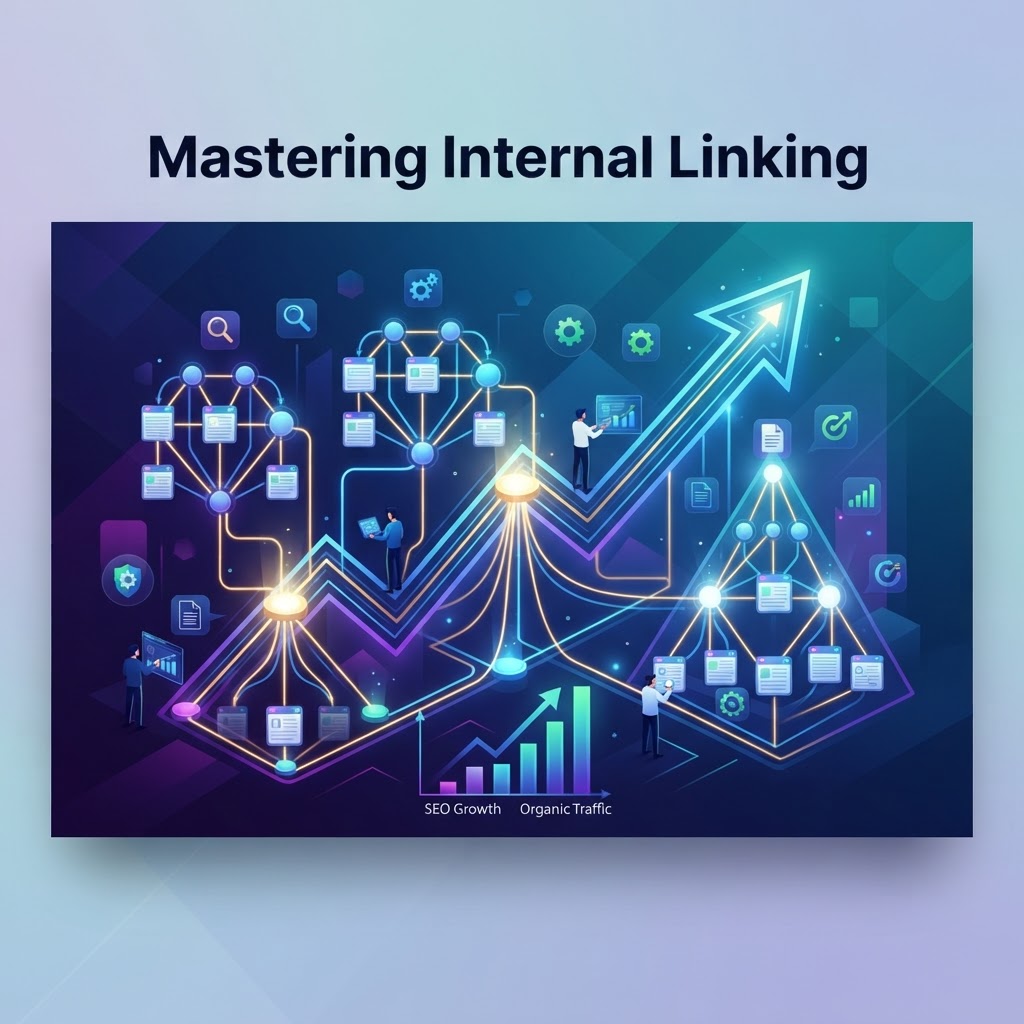
While many SEOs obsess over acquiring high-authority external backlinks, the architecture of your own website often holds the untapped potential needed to move the needle. Internal linking is the "nervous system" of your site; it connects your content, helps Google understand your hierarchy, and distributes authority to the pages that matter most.
In this guide, we will explore the internal linking best practices that drive sustainable SEO growth and how to integrate them into a broader digital marketing strategy.
Why Internal Linking is Crucial for SEO
Internal links are hyperlinks that point from one page on a domain to another page on the same domain. They serve three primary purposes:
- Crawlability and Indexing: Search engine crawlers (like Googlebot) follow links to discover new pages. A well-linked site ensures that no page is left "orphaned" and invisible to search engines.
- PageRank Distribution: Internal links act as conduits for "link juice." By linking from a high-authority page to a newer or lower-authority page, you pass along SEO value.
- User Experience (UX): Links help users navigate your site, find related content, and stay engaged longer, which sends positive signals to search engines regarding your site’s utility.
5 Internal Linking Best Practices Every Webmaster Should Know
1. Optimize Your Anchor Text
Anchor text should be descriptive and relevant to the target page. Avoid generic phrases like "click here" or "read more." Instead, use keywords that give both users and search engines a clear idea of what the linked page is about. However, avoid over-optimization—using the exact same keyword for every internal link can look manipulative. Aim for a natural variety of long-tail keywords.
2. Use the Hub-and-Spoke Model (Topic Clusters)
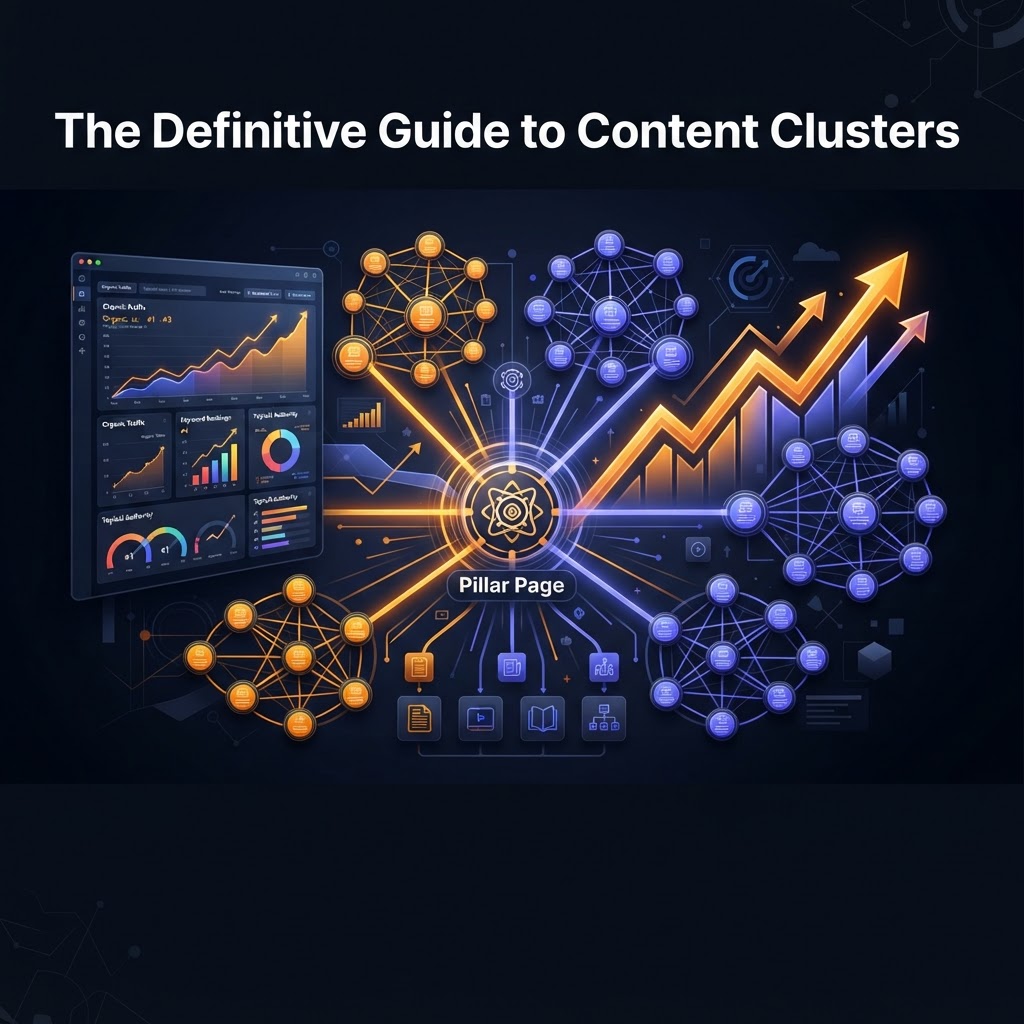
To build topical authority, organize your content into clusters. Create a "pillar page" (a comprehensive guide on a broad topic) and several "spoke" pages (detailed articles on sub-topics). Link the spokes to the pillar and the pillar to the spokes. This creates a tight semantic loop that signals to Google that you are an authority on that specific niche.
3. Prioritize Contextual Links
Links placed within the main body of a page’s content carry significantly more weight than links in the sidebar or footer. Google views contextual links as more relevant to the user’s immediate intent. When writing a new blog post, always look for opportunities to link back to existing relevant articles.
4. Link to "Deep" Pages
The mistake many beginners make is linking primarily to the homepage or the "Contact Us" page. To drive real SEO growth, you should link to deep pages—specific blog posts, service pages, or product categories. This builds the authority of your internal directory rather than just inflating the homepage.
5. Audit for Orphan Pages
An orphan page is a page that has no internal links pointing to it. Since crawlers cannot find these pages through your site structure, they rarely rank. Use SEO auditing tools to identify these pages and integrate them back into your site architecture by linking to them from relevant, high-traffic posts.
Balancing Internal Links with External Authority
Internal linking is a powerful tool for distributing existing authority, but it cannot create authority out of thin air. For your internal links to be truly effective, your website needs a steady influx of high-quality external backlinks to raise the overall "tide" of your domain authority.
While manual outreach can take months, savvy SEO professionals use automation to scale their efforts. AAA Backlinks offers a sophisticated platform for automated backlink generation and SEO management, allowing you to build the external foundation necessary to make your internal linking structure truly potent. By combining a rock-solid internal architecture with the high-octane power of quality external links, you create an SEO engine that is difficult for competitors to beat.
The Technical Side: Keep it Reasonable
While there is no hard limit on the number of links a page can have, Google’s quality guidelines suggest keeping them to a "reasonable number." If a page is cluttered with hundreds of links, the value passed to each individual link (the PageRank) becomes diluted. Focus on quality over quantity; every link should provide genuine value to the reader.
How to Audit Your Internal Linking Structure
Regular maintenance is key to SEO growth. Every quarter, you should perform a link audit to:
- Fix Broken Links (404s): Nothing hurts UX and crawl budget like dead ends.
- Redirect Chains: Ensure links point directly to the final destination, not through a series of redirects.
- Identify High-Authority Pages: Use tools to find your pages with the most external backlinks and ensure they are linking out to your high-conversion pages.
Conclusion
Internal linking is one of the few SEO strategies you have 100% control over. By implementing a logical hierarchy, using descriptive anchor text, and eliminating orphan pages, you provide a clear roadmap for both users and search engines.
Remember: internal links distribute the power, but external backlinks provide the fuel. To accelerate your growth, ensure your internal strategy is supported by a robust backlink profile managed through AAA Backlinks. Start optimizing your architecture today and watch your rankings climb.
Tags