Internal Linking Best Practices for Exponential SEO Growth
Master internal linking to boost rankings and crawlability. Learn expert strategies for site architecture, anchor text, and scaling SEO with AAA Backlinks.
Internal Linking Best Practices for Exponential SEO Growth
In the world of search engine optimization, external backlinks often steal the spotlight. However, the most successful SEOs know that your internal link architecture is the skeletal system of your website. Without a robust internal linking strategy, even the highest-quality content can remain buried in search results, starved of the link equity it needs to rank.
Internal linking is more than just connecting Page A to Page B. It is a sophisticated method of distributing PageRank, establishing topical authority, and guiding Google’s crawlers through your most important assets. This guide explores the expert-level best practices required to turn your site into an SEO powerhouse.
1. The Power of Silo Architecture
A disorganized website is a nightmare for search engines. To maximize SEO growth, you should implement a Silo Architecture. This involves grouping related content into distinct categories or "silos."
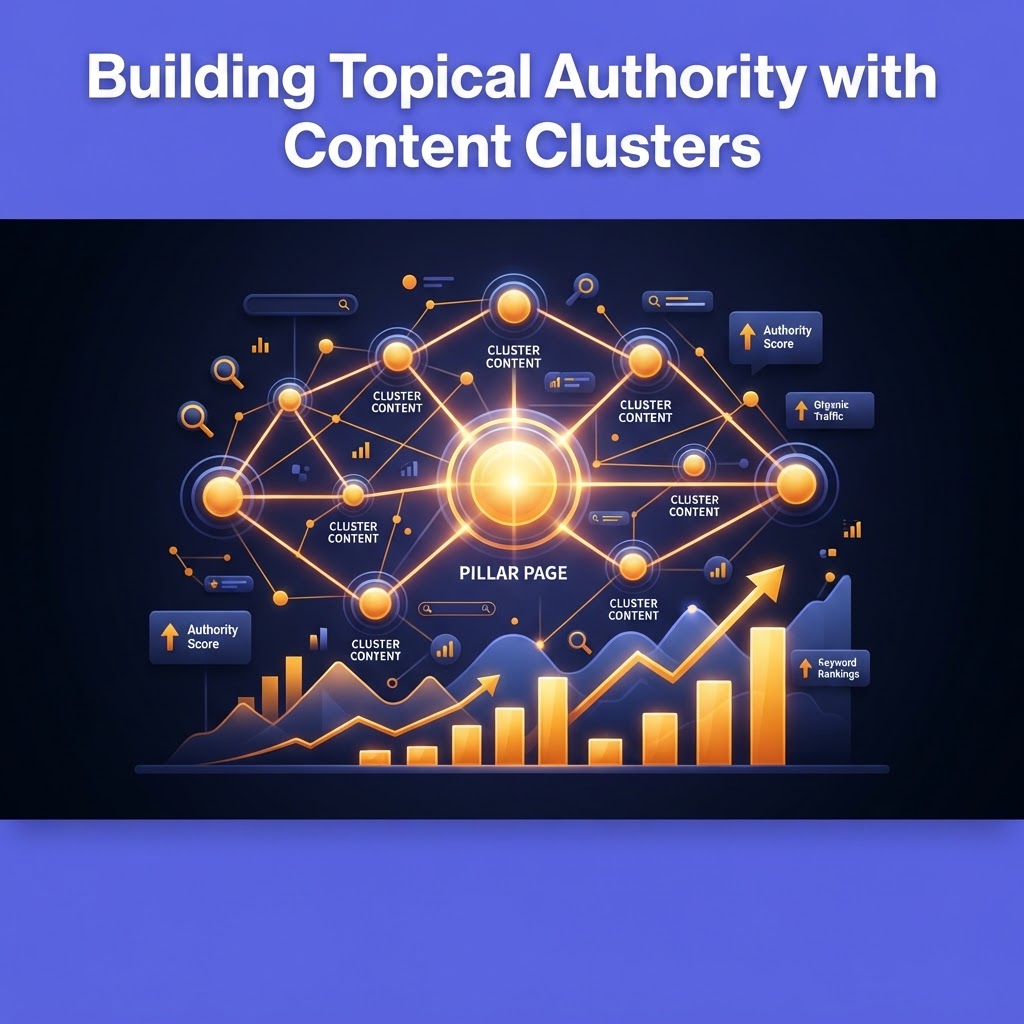
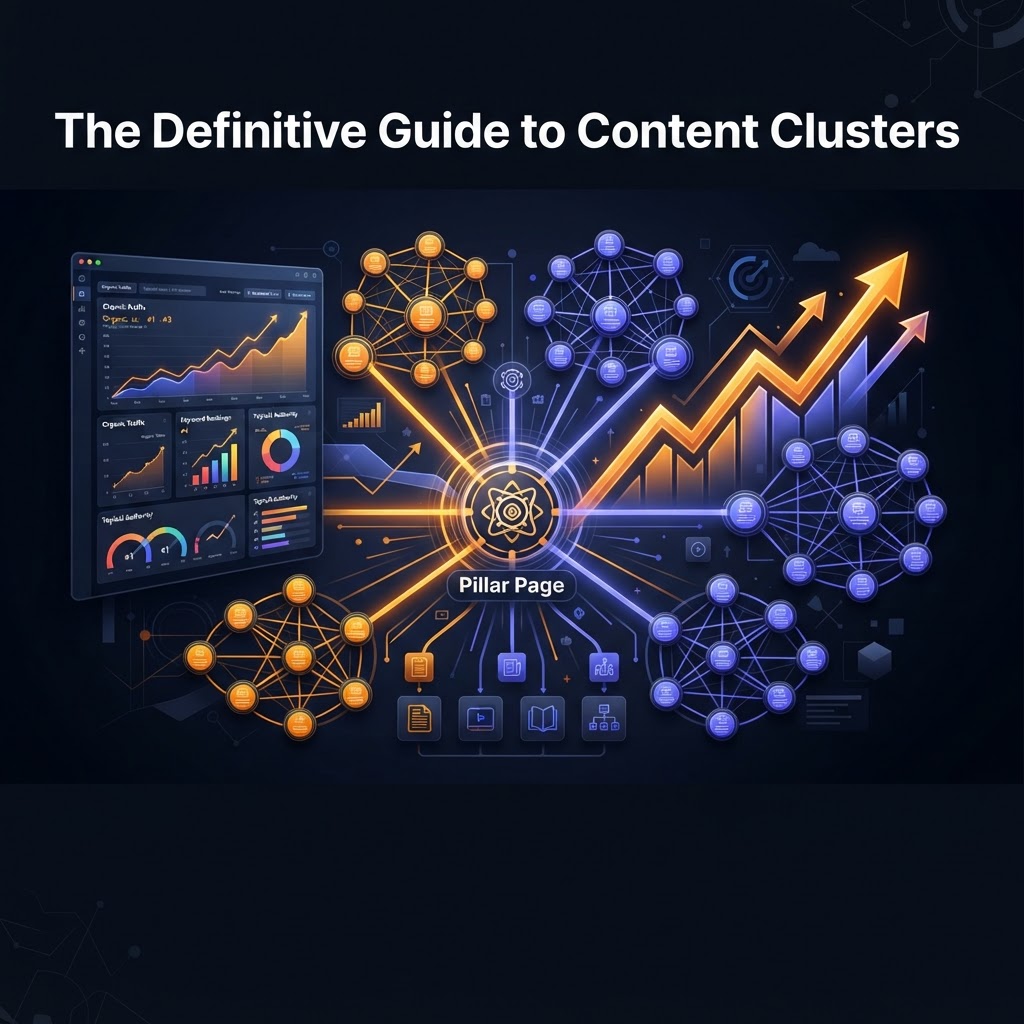
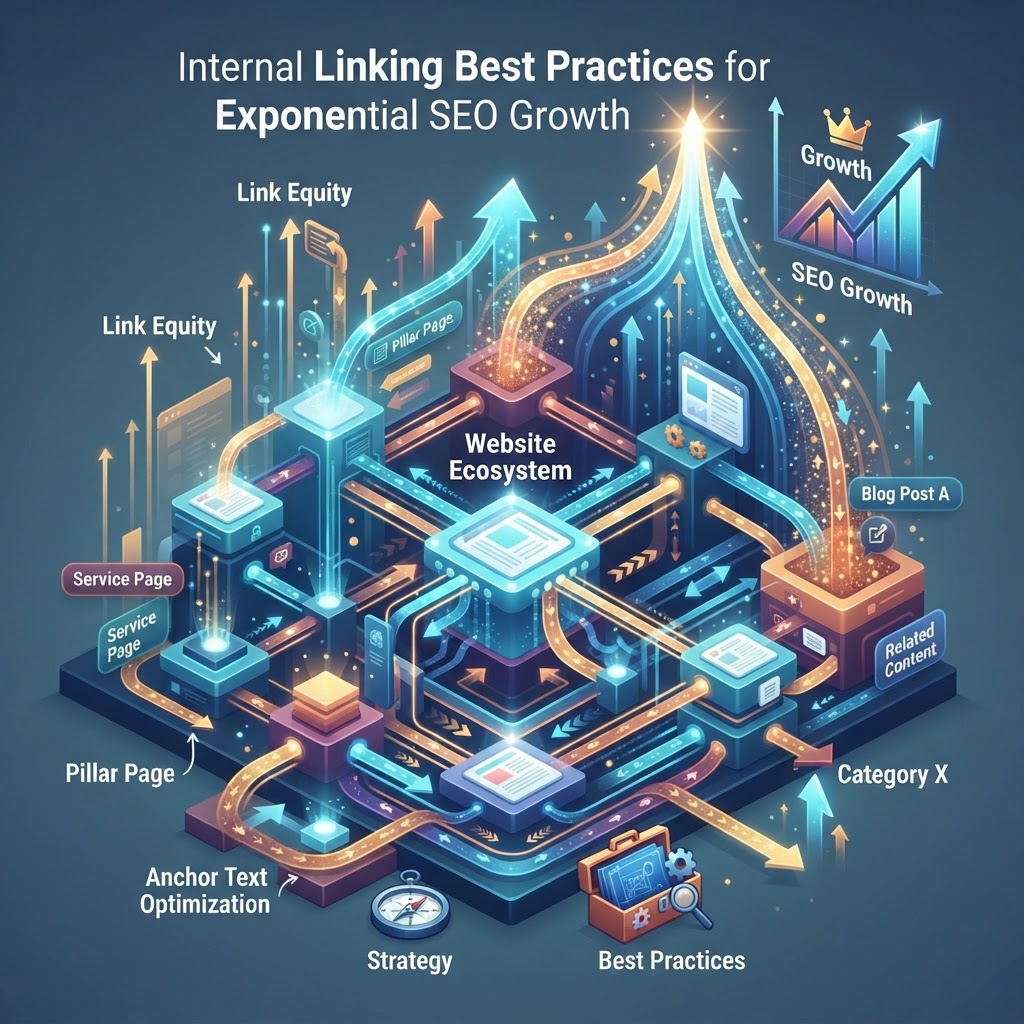
By linking articles within the same category to one another and back to a central "pillar" page, you signal to Google that your site has deep expertise in a specific niche. This concentrated topical relevance makes it significantly easier for individual pages to rank for competitive keywords.
2. Strategic Anchor Text Optimization
Unlike external backlinks—where you must be cautious about over-optimizing anchor text to avoid Penguin penalties—internal links allow for more descriptive, keyword-rich anchors.
Avoid Generic Phrases
Never use "click here" or "read more." Instead, use anchor text that describes the destination page. For example, if you are linking to a guide on keyword research, your anchor text should be "comprehensive keyword research guide."
Use Long-Tail Variations
To avoid looking repetitive to search algorithms, vary your internal anchor text. Use synonyms and long-tail variations of your primary keywords to help Google understand the nuances of the target page’s topic.
3. Distributing Link Equity (PageRank)
Link equity, often referred to as "link juice," is the value passed from one page to another. Your homepage typically has the highest authority because it receives the most external backlinks.
To boost the rankings of new or underperforming content, you must strategically link to them from your high-authority pages. Use SEO tools to identify your "power pages" and ensure they are funneling equity down to your conversion-focused sub-pages.
While internal linking manages the flow of existing power, you still need a consistent influx of external authority to grow. Platforms like AAA Backlinks provide a sophisticated solution for automated backlink generation, ensuring that your site’s overall authority continues to climb while you focus on refining your internal architecture.
4. The "First Link" Rule and Link Placement
Google’s algorithm generally gives more weight to links found within the body content (contextual links) rather than those in the footer or sidebar. Furthermore, many SEO experts believe in the "first link" rule: if a page links to the same destination twice, Google may only credit the anchor text of the first link.
For maximum impact:
- Place internal links high up in the content to reduce bounce rates.
- Ensure links are contextually relevant to the surrounding paragraph.
- Limit the number of links per page to maintain the "strength" of each individual link.
5. Eliminating Orphan Pages and Broken Links
An orphan page is a page with zero internal links pointing to it. Since search engine spiders find new content by following links, an orphan page is nearly impossible to index and rank.
Regularly audit your site to ensure every page is part of your internal web. Simultaneously, use tools to find and fix broken internal links (404 errors). Broken links waste your crawl budget and create a poor user experience, both of which can lead to a decline in search rankings.
6. Depth of Click Depth
For optimal SEO growth, every page on your site should be reachable within three clicks from the homepage. A "flat" site structure ensures that PageRank isn't diluted by the time it reaches your deeper content. If a page is hidden ten clicks deep, it is unlikely to ever see the first page of the SERPs.
Conclusion
Internal linking is the most controllable SEO lever at your disposal. By mastering silo structures, optimizing anchor text, and ensuring a shallow click depth, you create a foundation that search engines can easily understand and reward.
Remember, however, that internal linking is only half the battle. To truly dominate the search results, you must pair your on-site optimization with a high-quality external link profile. By utilizing the automated SEO management tools at AAA Backlinks, you can scale your external authority in tandem with your internal growth, creating an unstoppable SEO engine.
Tags