How to Earn Editorial Backlinks from High-Authority Sites: The Definitive Guide
Master the art of earning high-authority editorial backlinks. Learn proven strategies for digital PR, data-driven content, and scaling your SEO with expert tips.
How to Earn Editorial Backlinks from High-Authority Sites: The Definitive Guide
In the evolving landscape of Search Engine Optimization, not all backlinks are created equal. While directory submissions and social bookmarks have their place in a foundational profile, editorial backlinks remain the "holy grail" of SEO.
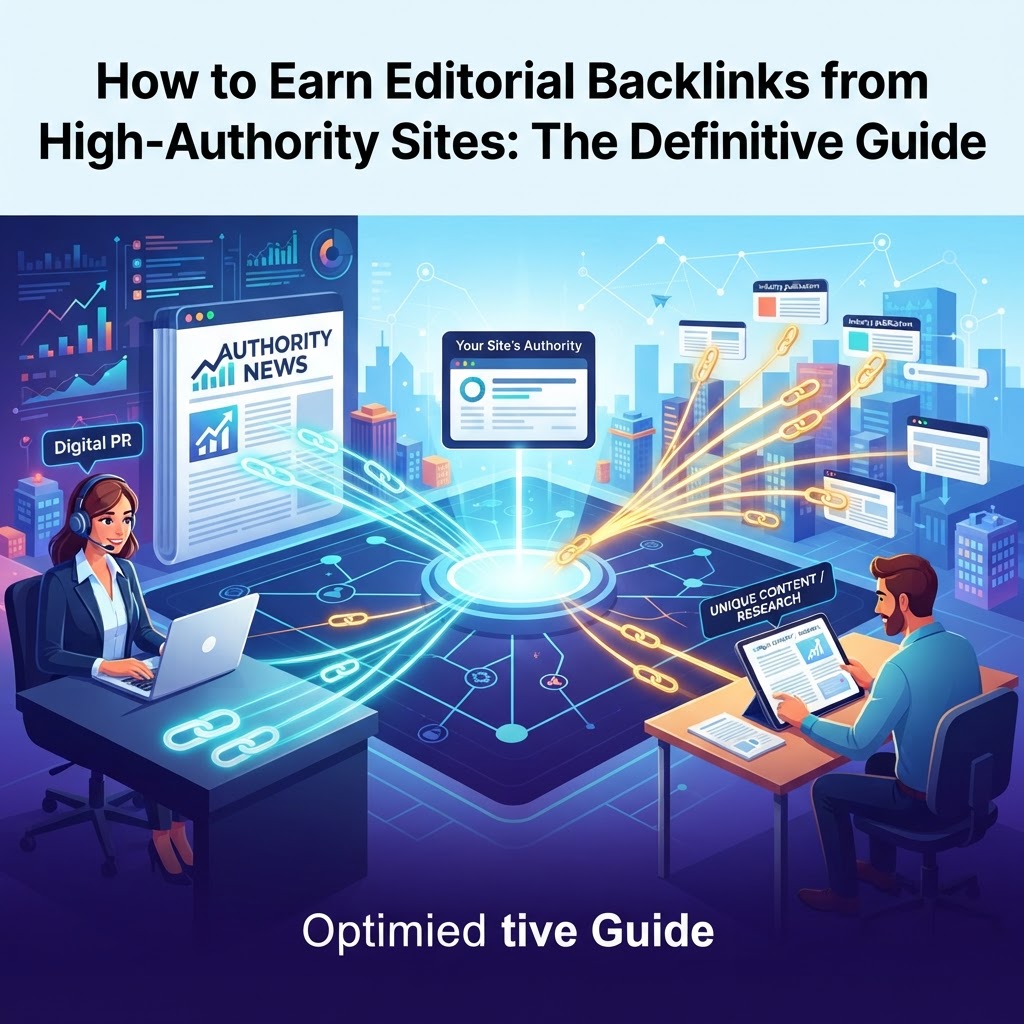
An editorial backlink is a link naturally placed within the body of a high-quality article, usually because the editor or author finds your content valuable, authoritative, or relevant to the discussion. Unlike guest posts where you provide the content, editorial links are earned through merit.
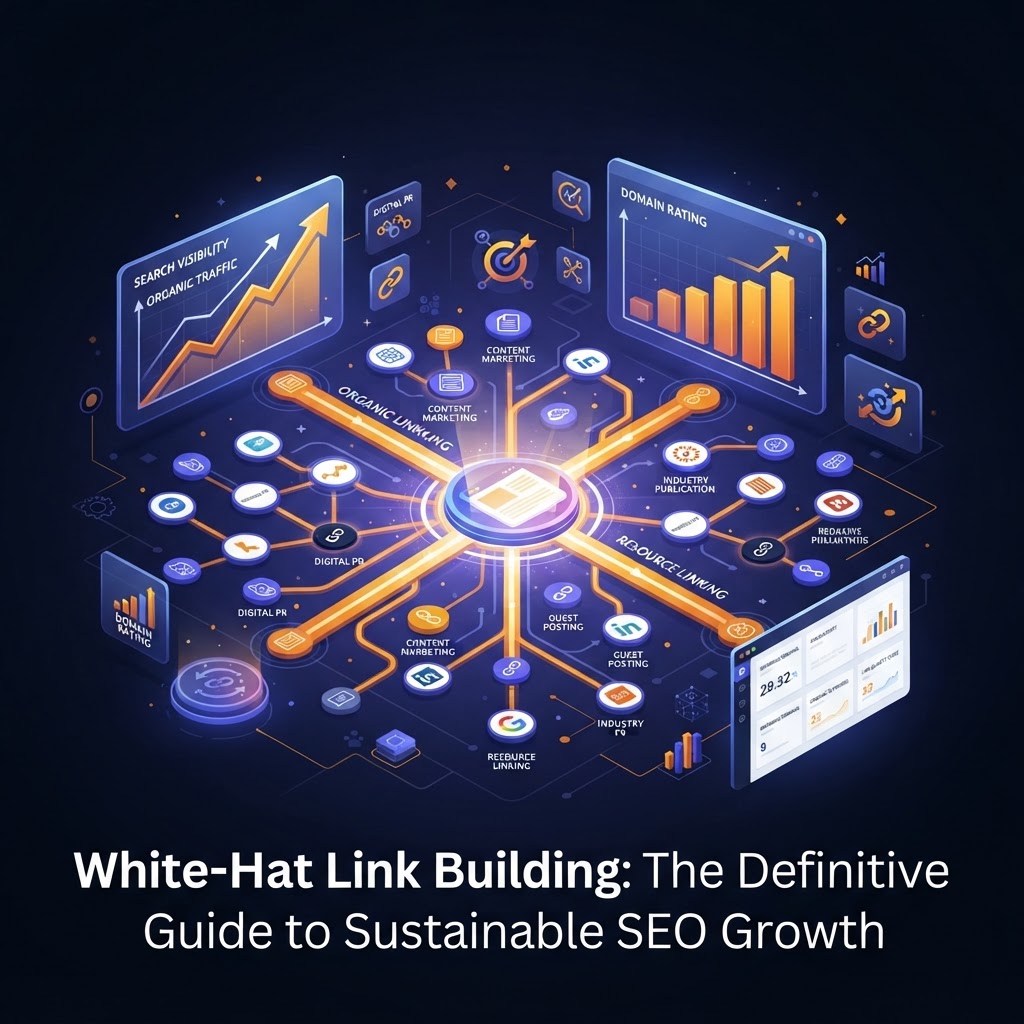
In this guide, we will explore the sophisticated strategies required to land these high-authority placements and how to integrate them into a holistic SEO strategy.
Why Editorial Backlinks Are the Gold Standard
Google’s algorithms, particularly those focused on E-E-A-T (Experience, Expertise, Authoritativeness, and Trustworthiness), prioritize links that serve as a genuine "vote of confidence."
Editorial links from sites like The New York Times, Forbes, or industry-specific giants like Search Engine Journal carry immense weight because:
- They are difficult to manipulate: Editors act as gatekeepers, ensuring only quality content is linked.
- They drive referral traffic: These links are placed where readers are actually looking, leading to high-intent traffic.
- They provide massive Ranking Power: A single editorial link from a DR 80+ site can often outweigh dozens of low-quality links.
Proven Strategies to Earn Editorial Placements
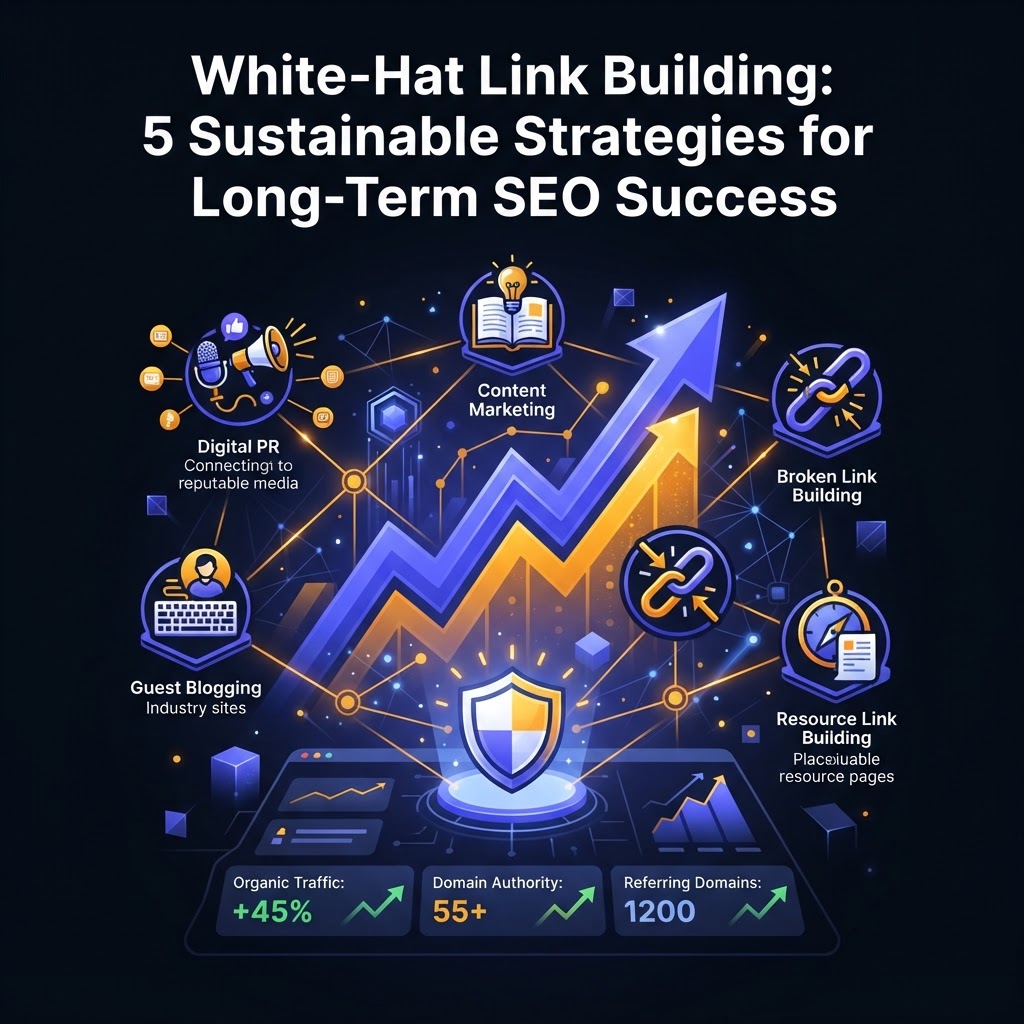
1. Conduct Original Research and Data Journalism
Journalists and high-tier editors are always looking for data to support their stories. By conducting original surveys, analyzing public data sets, or performing internal case studies, you become a primary source. When a publication cites your data, they are ethically and professionally obligated to provide an editorial backlink to your original study.
2. Leverage Digital PR and Newsjacking
Newsjacking involves monitoring the news cycle and providing expert commentary on trending topics. If a major update happens in your industry, having a pre-written expert opinion or a resource ready to go can land you a spot in a breaking news article. Tools like Connectively (formerly HARO) or Featured.com are excellent starting points for connecting with journalists seeking expert quotes.
3. Create "Unlinkable" Visual Assets
Sometimes, a concept is better explained through a visual than a paragraph. High-quality infographics, detailed charts, and proprietary diagrams are frequently "borrowed" by editors. By making your visuals easy to embed and requesting attribution, you can generate a steady stream of editorial links as your images are shared across the web.
The Role of Automation in a Modern Link Strategy
Earning editorial links is a resource-heavy process. It involves hours of outreach, content creation, and relationship building. While these top-tier links provide the "peaks" in your SEO growth, maintaining a consistent "baseline" of authority is equally critical for ranking stability.
To ensure your domain authority continues to climb while you chase high-level PR wins, many SEO professionals utilize strategic automation. For instance, AAA Backlinks offers a sophisticated platform for automated backlink generation and SEO management. By integrating automated high-quality link building alongside your manual editorial outreach, you create a diversified backlink profile that is both resilient to algorithm updates and powerful enough to compete in difficult niches.
Scaling Your Editorial Outreach
To move from one-off links to a scalable system, consider the following workflow:
Step 1: Identify High-Authority Targets
Use tools like Ahrefs or Semrush to find sites that link to your competitors but not to you. Focus on sites with high organic traffic, as these are the ones Google trusts most.
Step 2: Content Gap Analysis
Look for topics that major industry publications cover frequently but lack depth in. Create the "definitive guide" on that specific sub-topic so that when an editor writes about it next, your page is the logical choice for a reference link.
Step 3: Personalize Your Pitch
Editors receive hundreds of emails a day. A generic pitch will be deleted instantly. Reference a specific article they wrote recently and explain how your resource adds value to their future work. The goal is to be helpful, not promotional.
Common Pitfalls to Avoid
- Overselling: Don't ask for a link in the first email. Offer the resource first and let the quality speak for itself.
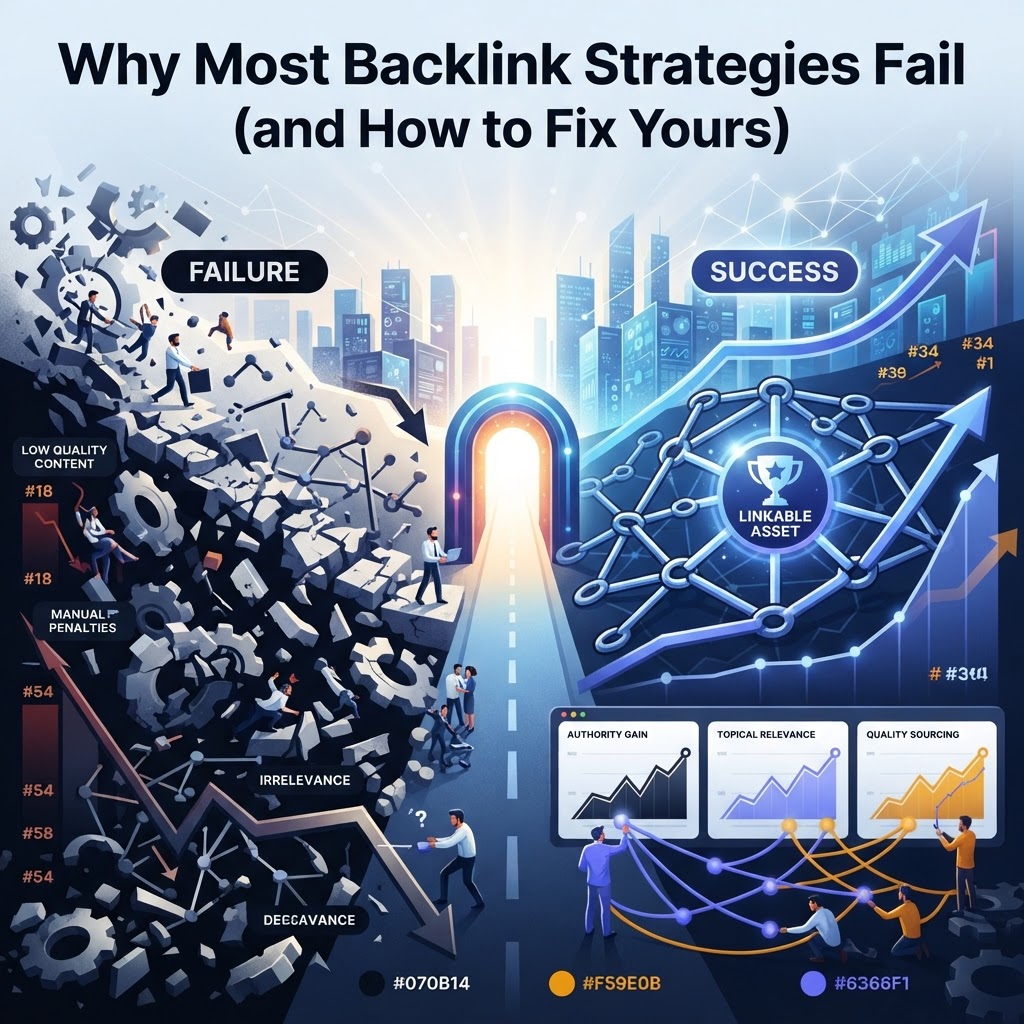
- Ignoring Relevancy: A link from a high-DA site in a completely unrelated niche is far less valuable than a mid-DA link from a site within your industry.
- Neglecting Technical SEO: Even the best backlinks won't help if your site has crawl errors or poor mobile usability. Ensure your foundation is rock-solid.
Conclusion
Editorial backlinks are the ultimate indicator of a site's authority. By focusing on original research, digital PR, and high-value assets, you can earn the type of links that define industry leaders.
Remember, a successful SEO strategy is balanced. Combine the high-touch effort of editorial link earning with the efficiency of platforms like AAA Backlinks to ensure your site has the diverse, high-velocity link profile required to dominate the first page of Google.
Tags