Mastering Web 2.0 Backlinks: A Modern Guide to Tiered Link Building
Learn how to safely leverage Web 2.0 properties for SEO. Discover authoritative strategies for building tiered backlinks, avoiding penalties, and scaling your rankings.
Mastering Web 2.0 Backlinks: A Modern Guide to Tiered Link Building
In the early days of SEO, Web 2.0 properties were the "wild west" of link building. You could spin a 300-word article, blast it across fifty WordPress.com and Blogger sites, and watch your rankings climb overnight.
Today, the landscape has shifted. Google’s algorithms, particularly those governing spam and link quality, have become significantly more sophisticated. However, the core value of Web 2.0 properties remains: they offer a way to build high-authority, contextual links that you control.
When executed with a focus on quality and "entity" building, Web 2.0s are not just a relic of the past—they are a powerful component of a diversified SEO strategy. This guide will teach you how to leverage these properties as authoritative assets rather than disposable spam bots.
What Are Web 2.0 Properties?
Web 2.0 properties are platforms that allow users to create their own subdomains or pages for free. Common examples include:
- Blogging Platforms: WordPress.com, Blogger, Tumblr, Medium.
- Site Builders: Wix, Weebly, Odoo.
- Social/Community Hubs: Reddit, Quora, HubPages.
From an SEO perspective, these sites are valuable because they carry massive Domain Authority (DA). When you create a blog on yourniche.wordpress.com, you are inheriting a portion of the trust and authority associated with the root domain. According to general industry data, over 66% of web pages have zero backlinks; leveraging the existing authority of these platforms gives you a head start that a brand-new domain simply cannot match.
The Strategic Value: Why Use Web 2.0s Today?
If guest posting and PR are the "gold standard" of link building, why bother with Web 2.0s? The answer lies in control and diversification.
- Anchor Text Control: You have 100% control over the anchor text. This is crucial for balancing your backlink profile if you have too many "naked URLs" or need to boost a specific keyword.
- Topical Relevance: By surrounding your link with highly relevant, niche-specific content, you send strong signals to search engines about the context of your target page.
- Tiered Link Building: Web 2.0s are the perfect "Tier 1" or "Tier 2" assets. You can build lower-quality links to your Web 2.0 properties to boost their authority without risking your main money site.
- Cost-Effectiveness: Unlike high-end placements that can cost hundreds of dollars, Web 2.0s are free to start, making them one of the most cost-effective ways to improve SEO metrics.
The "Safe" Strategy: Building a Web 2.0 Ecosystem
To avoid the "spam" label, you must treat your Web 2.0 properties like real websites. Google looks for signals of human activity. If a site has one post, one link, and no images, it will likely be ignored or de-indexed.
1. The Persona Setup
Don't use your primary admin email for every property. Create a dedicated persona. Use a unique email address, a real-sounding name, and fill out the "About Me" sections. This helps establish the property as a legitimate entity in the eyes of search crawlers.
2. Content Quality is Non-Negotiable
Gone are the days of "spun" content. If you want a Web 2.0 link to pass authority, the content must be readable and valuable.
- Length: Aim for 500–800 words.
- Multimedia: Include at least one relevant image (with alt text) and perhaps an embedded YouTube video.
- Outbound Links: Link to 1–2 high-authority non-competing sites (like Wikipedia or a major news outlet) alongside your own link. This makes the post look like a natural resource rather than a promotional shill.
3. The "Buffer" Method
Instead of linking every Web 2.0 directly to your homepage, use them to support your internal pages—blogs, guides, or service pages. This distributes "link juice" naturally throughout your site architecture.
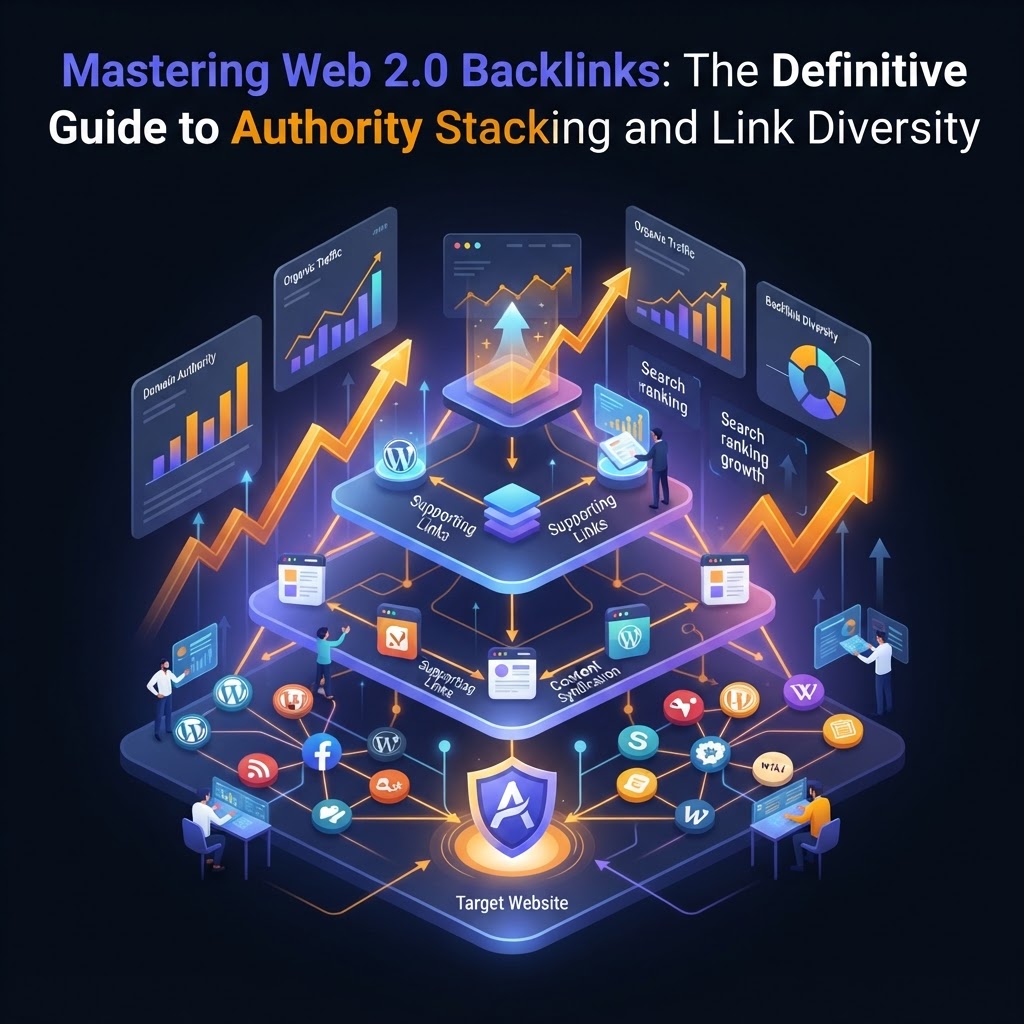
Advanced Tactics: Link Wheels and Pyramids
To maximize the power of Web 2.0s, professional SEOs often use structured linking patterns.
The Link Wheel
In a link wheel, you create multiple Web 2.0 properties (e.g., WordPress, Blogger, Tumblr). Each property links to your main site, but they also link to each other in a circle.
- Pros: Rapidly increases the authority of the entire group.
- Cons: Creates a clear "footprint" that Google can easily track and penalize if not done carefully.
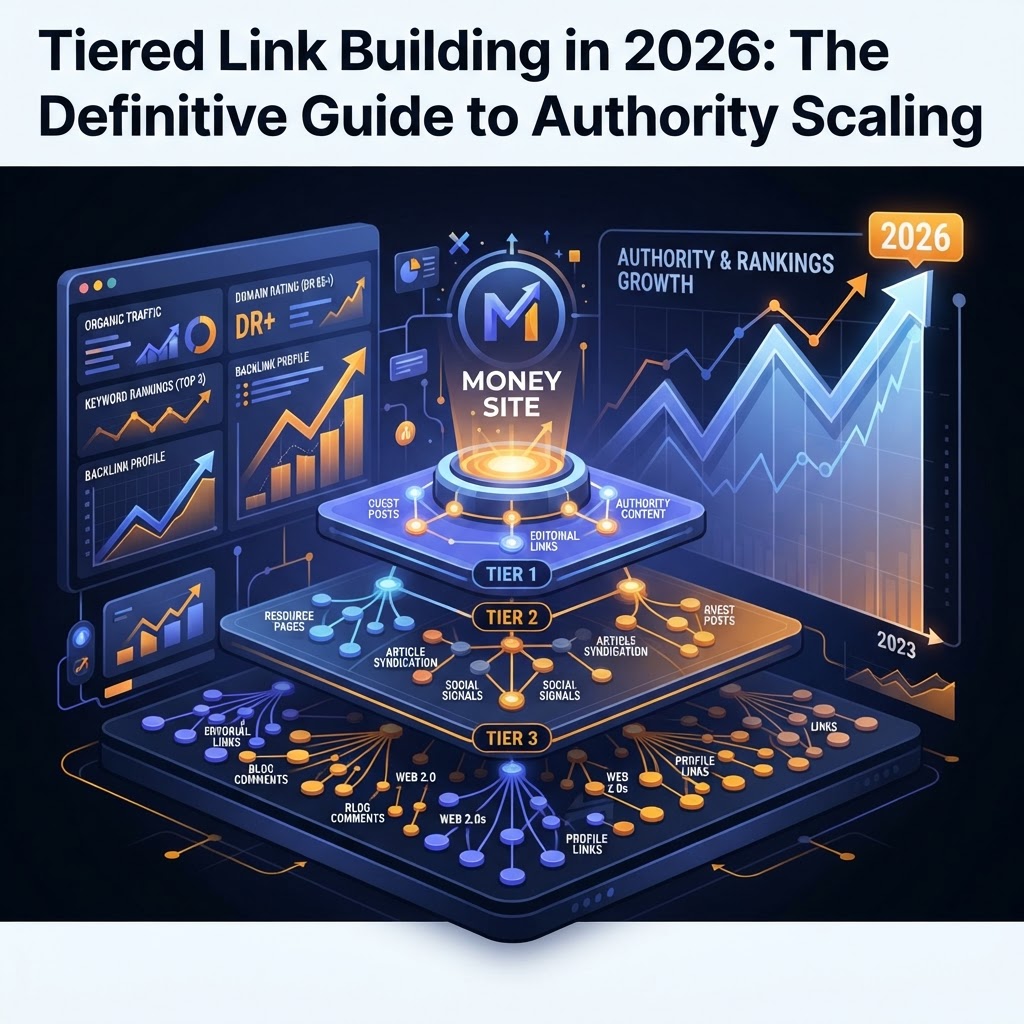
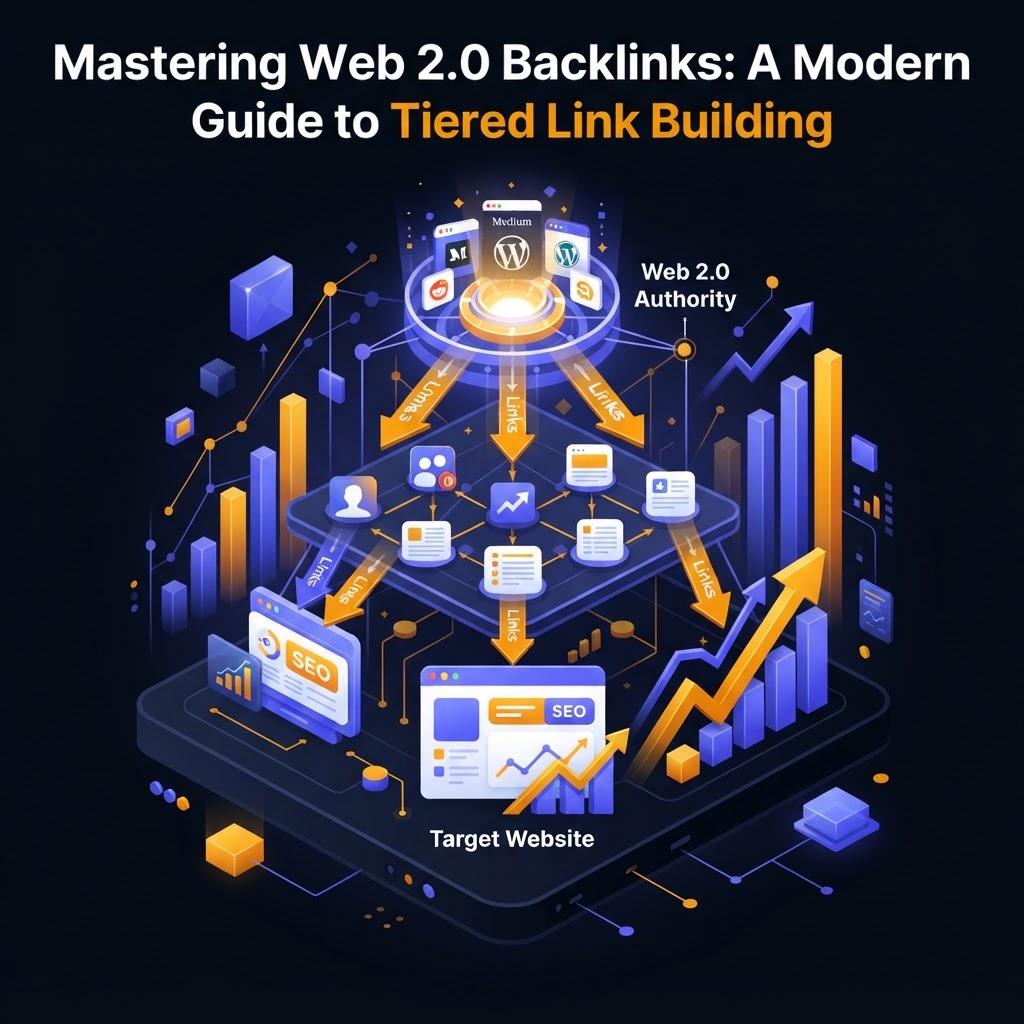
The Link Pyramid (Tiered Linking)
This is the preferred modern method.
- Tier 1: High-quality Web 2.0s, guest posts, and niche edits linking directly to your money site.
- Tier 2: A larger volume of Web 2.0s, social bookmarks, and directory links pointing to your Tier 1 assets.
- Tier 3: Automated links or social signals pointing to Tier 2.
This structure funnels authority upward while keeping your main site insulated from lower-quality link signals.
Scaling Your Strategy
Building and maintaining twenty different Web 2.0 blogs is time-consuming. For individual bloggers, manual creation is best to ensure quality. However, for agencies managing multiple clients, automation becomes a necessity.
Tools like AAA Backlinks can help bridge this gap by automating the content engine and managing the scaling of your backlink strategy. Whether you use an automated platform or a manual team, the goal remains the same: consistent, high-quality output that mimics natural growth.
Common Pitfalls to Avoid
- Footprints: Using the same username, same theme, or same IP address for every property. Mix it up.
- Over-Optimization: Using exact-match anchor text for every single link. Aim for a mix of branded, naked URL, and long-tail anchors.
- Neglect: A blog that hasn't been updated in two years loses its value. Try to post a "filler" article (without a link) every few months to keep the property active.
- Duplicate Content: Never post the exact same article on five different Web 2.0s. Google will index the first one and ignore the rest.
Key Takeaways
- Quality Over Quantity: One well-maintained WordPress.com blog with five posts is worth more than fifty abandoned Blogger sites.
- Diversify Anchors: Use a natural mix of anchor texts to avoid triggering spam filters.
- Build a Persona: Treat each property as a real brand or influencer account.
- Use Tiering: Use Web 2.0s to boost your other backlinks, creating a "buffer" of authority.
- Stay Consistent: SEO is a marathon. The full impact of a Web 2.0 strategy typically takes 3–6 months to realize.
Frequently Asked Questions
1. Are Web 2.0 backlinks still effective in 2024?
Yes, but only if the content is high-quality and the platform is authoritative. They work best as part of a diversified link profile, providing contextual relevance and anchor text control that other methods lack.
2. Will Google penalize me for using Web 2.0s?
Google penalizes spam, not platforms. If you create low-quality, duplicate content with excessive exact-match anchors, you risk a penalty. If you create valuable content that looks natural, these links are viewed as legitimate citations.
3. Should I use Dofollow or Nofollow links on these sites?
Most Web 2.0 platforms default to Dofollow for content links, which is what you want for ranking power. However, a natural profile should always include Nofollow links (like those from Reddit or Quora) to appear organic to search engines.
Tags