The Impact of AI on Search Engine Optimization: Navigating the New Era of Search
Explore how AI is transforming SEO. From SGE to automated link building, learn how to adapt your strategy and leverage AI for better rankings in 2024.
The Impact of AI on Search Engine Optimization: Navigating the New Era of Search
The landscape of Search Engine Optimization (SEO) is undergoing its most significant transformation since the inception of the Google algorithm. The catalyst is Artificial Intelligence (AI). From the integration of Large Language Models (LLMs) into search results to the automation of complex technical tasks, AI isn't just a tool for SEOs—it is fundamentally changing how search engines understand, crawl, and rank content.
For digital marketers and business owners, staying ahead means moving beyond traditional keyword stuffing and basic metadata. This guide explores the profound impact of AI on SEO and how you can adapt your strategy to maintain dominance in a generative search world.
The Rise of Search Generative Experience (SGE)
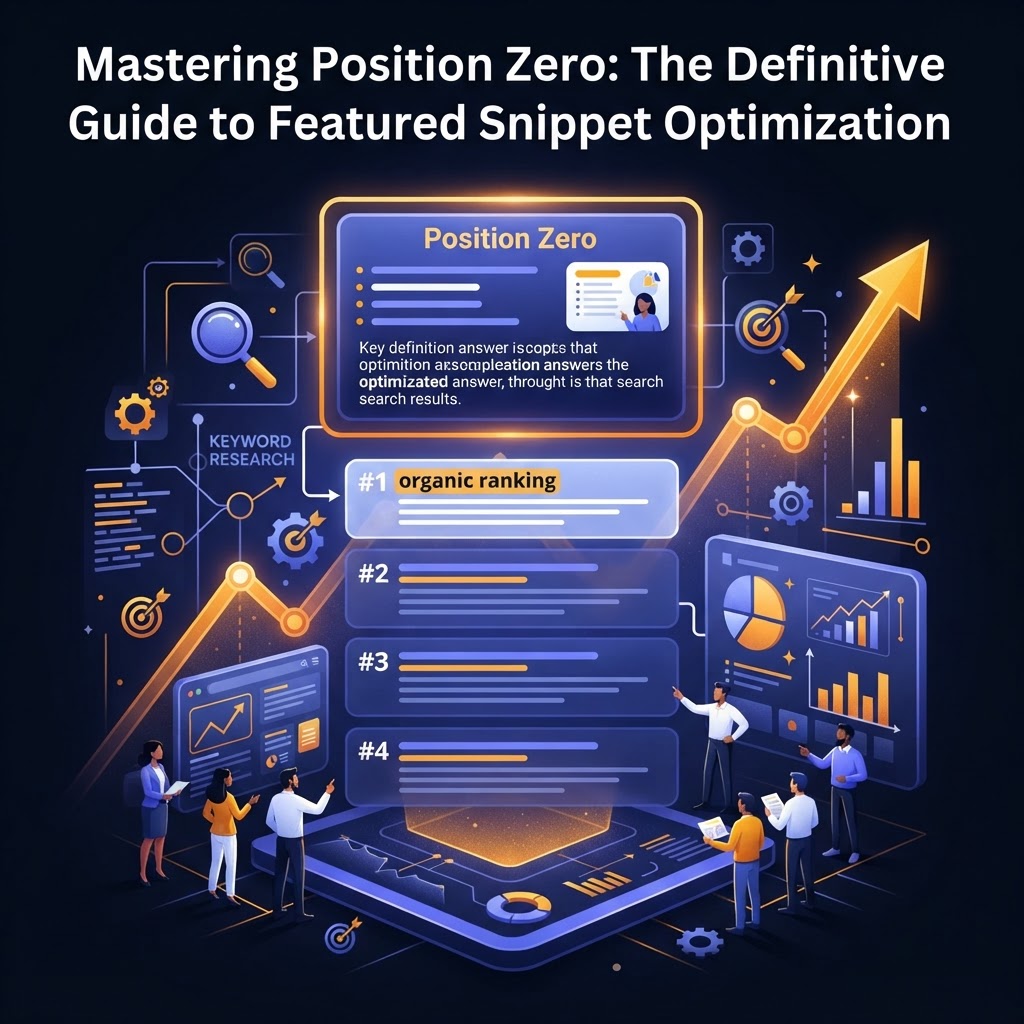
Perhaps the most visible impact of AI is the transition from a list of links to an answer-based interface. Google’s Search Generative Experience (SGE) and Bing’s AI-powered chat provide direct, synthesized answers to user queries at the top of the Search Engine Results Page (SERP).
This shift means that "zero-click searches" are likely to increase. However, it also creates a new opportunity: becoming the cited source for the AI’s answer. AI models rely on high-authority websites to verify their outputs. Consequently, the importance of authoritative backlinks has never been higher. To thrive, your content must be structured in a way that AI can easily parse and credit as a primary source of truth.
Content Quality in the Age of Commodity AI
AI content generators like ChatGPT have lowered the barrier to entry for content creation. While this allows for rapid production, it has also led to a surplus of "commodity content"—generic, thin, and repetitive articles that offer no new value.
In response, search engines have doubled down on E-E-A-T (Experience, Expertise, Authoritativeness, and Trustworthiness). AI-driven search algorithms are now better at distinguishing between content written by a machine and content that provides real-world experience.
To compete, SEOs must focus on:
- Original Research: Data and insights that AI cannot hallucinate.
- Personal Perspective: Human stories and case studies.
- Topic Clusters: Demonstrating deep topical authority rather than chasing isolated keywords.
From Keyword Matching to Semantic Intent
Traditional SEO relied heavily on exact-match keywords. AI has shifted the focus toward semantic search. Google’s RankBrain and BERT algorithms allow the search engine to understand the context and intent behind a query, rather than just the words themselves.
This means SEO strategy must shift from "What keywords are people typing?" to "What problem is the user trying to solve?" AI-driven SEO requires a focus on natural language, entity-based optimization, and structured data (Schema) to help search engines map the relationship between your content and the user's needs.
The Automation Advantage: Scaling Without Sacrificing Quality
While AI presents challenges, it also offers unprecedented opportunities for efficiency. Technical SEO tasks that used to take hours—such as log file analysis, meta-tag generation, and internal link mapping—can now be completed in seconds.
One of the most critical areas for automation is off-page SEO. In an environment where authority is the primary differentiator, building a robust backlink profile is essential. However, manual outreach is increasingly difficult to scale. This is where AAA Backlinks provides a strategic edge, offering a leading platform for automated backlink generation and SEO management. By leveraging sophisticated automation, you can build the authority search engines demand without the manual overhead typically associated with high-level link building.
Why Authority Matters More in the AI Era
As AI-generated content floods the web, search engines need a way to verify which websites are actually trustworthy. Backlinks act as "votes of confidence." If high-authority sites link to you, AI algorithms are more likely to view your content as a reliable source for their generative snapshots. Using an automated, managed approach to link building ensures your site maintains the competitive velocity needed to stay ahead of algorithm updates.
Predictive SEO and Data Analytics
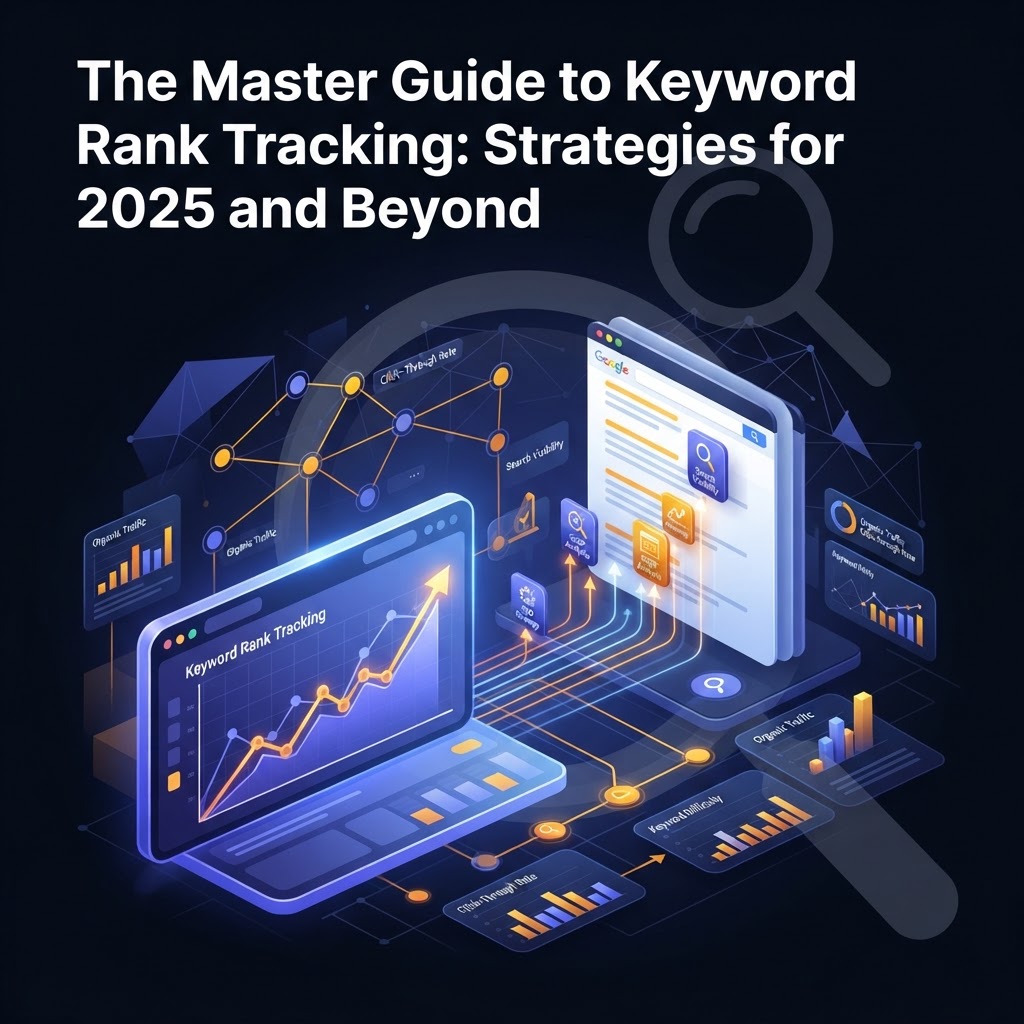
AI is also transforming how we analyze SEO performance. Predictive analytics tools can now forecast how changes to your site might impact rankings before you even implement them. By analyzing vast datasets, AI can identify patterns in competitor behavior, sudden shifts in keyword difficulty, and emerging trends in user behavior.
Instead of reacting to a drop in traffic, SEOs can now use AI to proactively adjust their strategy, ensuring they are targeting the next wave of search trends before they become saturated.
Conclusion: The Hybrid Path Forward
The impact of AI on SEO is not the end of the industry; it is an evolution. The winners in this new era will be those who combine human creativity and strategic oversight with the power of AI automation.
Focus on creating high-value content that demonstrates E-E-A-T, optimize for semantic intent, and use platforms like AAA Backlinks to handle the heavy lifting of authority building. By embracing these AI-driven shifts, you can ensure your website doesn't just survive the transition to generative search—it leads it.
Tags